
Dear Friends,
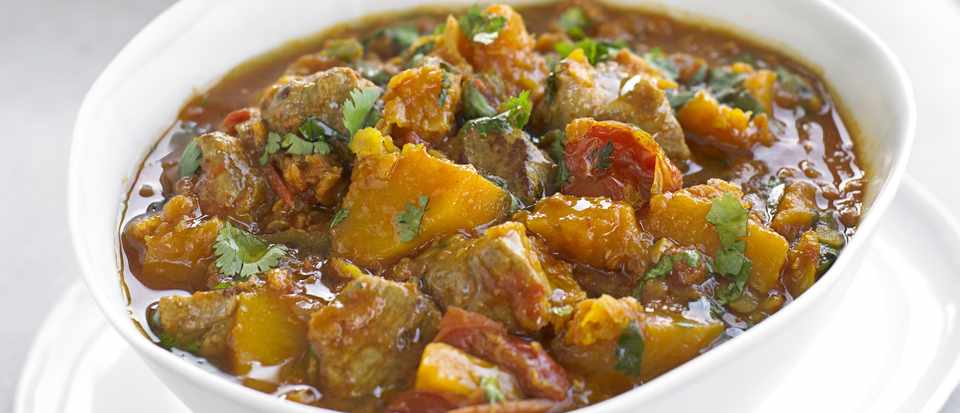
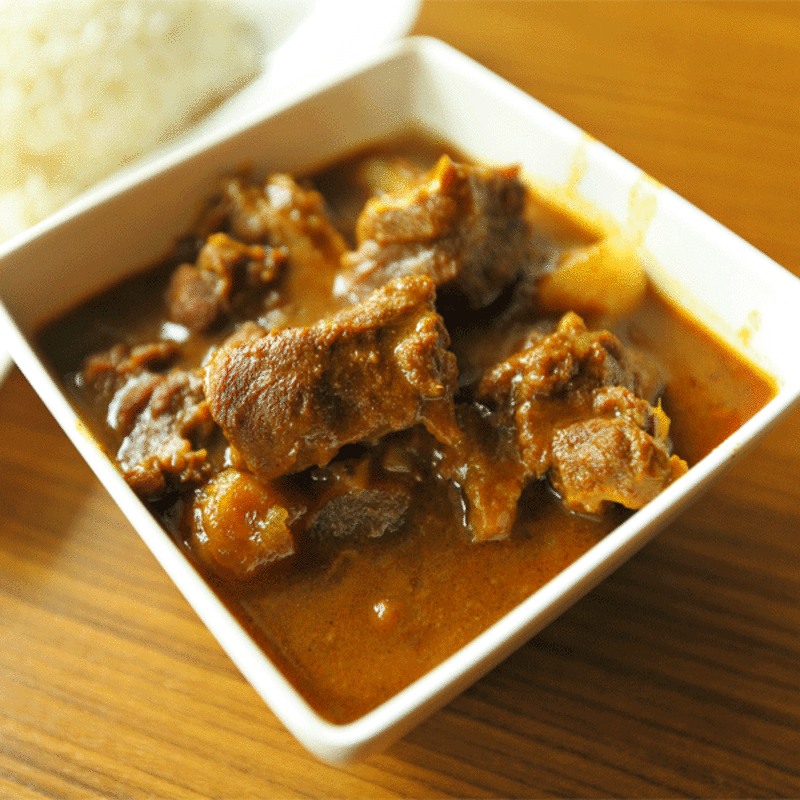
Today I am here to share with you a famous Parsi delicacy, 'Dhansak.' This dish is popular in Gujarat introduced amongst the Parsi Zoroastrian society. This delicacy is a combination of Gujarati and Persian cuisine. Authentic Dhansak is made with mutton, mixed lentils, and mixed vegetables. The recipe has developed over time. The parsees, who are partisans of Zoroastrianism, came to Western India as sacred monasteries in the 8th-century CE. Subsequent the Arab conquest of Persia and the defeat of the Sassanid Empire in 651 C. The Parsees bought with them the traditional recipe in India. I hope you like the information related to the dish. So, let us start making Dhansak.
Ingredients:-
- Mutton- 500g.(cubed)
- Pigeon pea lentil(Toor dal)- 1/4 cup.
- Split& skinned yellow lentil(Moong dal)- 1/4 cup.
- Red lentils- 1/4 cup.
- Split Bengal Gram(Chana dal)- 1/4 cup.
- Eggplant- 3small(diced).
- Potatoes- 2 medium(diced).
- Pumpkin- 1-1/2 cups(diced).
- Turnip- 2(diced).
- Green chilies- 4-5(finely chopped).
- Fenugreek leaves- 75g(roughly chopped).
- Mint leaves- 25-30(roughly chopped).
- Onions- 1(thinly sliced).
- Turmeric Powder- 1tsp.
For Dhansak Masala:-
- Whole Black peppercorns- 2 tsp.
- Caraway seeds- 1tsp.
- Fenugreek seeds- 1-1/2tsp.
- Poppy seeds- 2tsp.(soaked)
- Red chili powder- 1tsp.
- Kalpasiflower- 10g.
- Cumin seeds- 2tsp.
- Coriander seeds- 1-1/2 tsp.
- Garlic- 5 cloves.
- Ginger- 2inch.
- Cloves- 5nos.
- Cinnamon stick-1inch.
For Seasoning:-
- Onion- 1 large(thinly sliced).
- Tomatoes- 4(roughly chopped).
- Tamarind paste- 2tbsp.
- Asafoetida- A pinch.
- Grated Jaggery- 1tbsp.
- Ghee(Clarified butter)- 3tbsp.
- Salt- To taste.
- Garam Masala Powder- 1tbsp.
- Dry ginger powder- 1tsp.
Preparation Method:-
Step 1- First, Rinse all lentils separately very well and soak them in a separate bowl for at least 25-30 minutes.
Step 2- In a grinder jar, add all Dhansak Masala spices mentioned above. Black peppercorns, caraway seeds, cumin seeds, coriander seeds, poppy seeds, garlic, ginger, Kalpasi flower, fenugreek seeds, cloves, cinnamon stick, and little water in the jar. Make a creamy paste and set aside.
Step 3- Place a pan on medium flame. Add 2tbsp of ghee. Once ghee will start melting, add sliced onions saute until golden. Now add(step-2) dhansak masala paste. Saute until the raw aroma moves away.
Step 4- Next, add mutton pieces, salt, and turmeric powder, red chili powder into the pan. Stir and mixed all ingredients well. Reduce the flame. Close the pan, cook mutton until completely done. Turn off the flame, do not open the lid.
Step 5- Now take a pressure cooker, add all soaked lentils, above-mentioned vegetables, thinly sliced onion, fenugreek leaves, mint leaves, green chilis, salt, turmeric powder. Add required water, cover the lid of the cooker, and pressure cook the lentil until done(about 2 whistles).
Step 6- After 2 whistles, turn off the flame and keep the pressure inside the cooker. Once pressure is released automatically, open the lid.
Step 7- Mix the cooked lentils with the mutton. Place the pan back on the medium flame. Mix lentils with mutton very well.
Step 8- Place a small pan on medium flame. Add remaining ghee; once ghee will start melting, add asafoetida, sliced onion. Saute well until translucent.
Step 9- Next, add tomatoes, cook until mushy. Then add dry ginger powder saute for few seconds.
Step 10- Transfer this mixture into the mutton lentils pan. Now add tamarind paste, grated jaggery. Combine all ingredients well with dhansak. Next, add garam masala and cover the pan. Turn off the flame.
Step 11- Now garnish the dhansak with chopped coriander and serve hot with rice or naan.
Comments
Post a Comment