
.jpeg)
Dear friends,
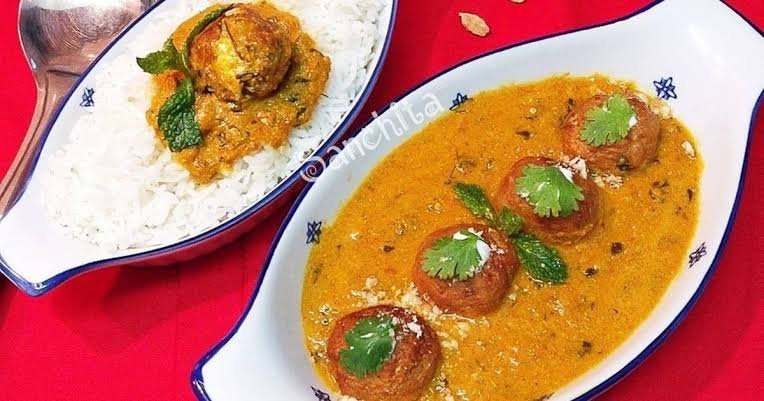
Today I am here to share with you a healthy yet tasty recipe, 'lotus stem kofte.' In India, the lotus stem is also known as Kamal kakdi and Nadru. Lotus stem is usually round and white to light green. It includes empty air cubicles that run the length of the stem. The vegetable has a light, slightly sweet flavor and is suitable for eating raw or cooked. You can use this vegetable in salads, pickled or cooked into curries, and stir-fried with pork or seafood.
Before sharing the recipe, let me share with you the benefits of lotus stem:-
- Lotus stem is a rich source of calcium, iron, and fiber- The calcium in the lotus stem forms bone strength and density as well as heart function. The iron in this vegetable is useful for boosting hemoglobin and myoglobin production in our blood. The fiber in the lotus stem is significant for helping you to control digestive and bowel health.
- Lotus stem increases, our consumption of antioxidants:- Edible lotus confirmed to include tryptophan, an amino acid that regulates antioxidant activity. Antioxidants, shield the cells of your body from free rebels, composites found in environmental poisons that can damage cells.
- Lotus stem is a fabulous source of Vitamin C- And it helps to increase the resistance of a person and fight viral infections.
- Lotus root and leaves extracts improve to manage the menstrual cycle and stop excess bleeding:- Drinking lotus root juice or lotus soup; can help avoid anemia after monthlies by producing blood to replace what was lost.
- Lotus stem has a large number of potassium:-which secures a proper balance between the fluids in the body. It also neutralizes the impact of sodium in our bloodstreams. Potassium decompresses the blood vessels and reduces shrinkage and rigidity. It also helps in enhancing blood flow and decreases the pressure on the cardiovascular system.
It is less in calories and is great in nutrients and fiber. I hope this is a piece of helpful information. So, let's start making 'Lotus stem Kofte.'
Ingredients:-
- Lotus stem/ Nadru/ Kamal Kakdi- 500g grated(Take fresh and white tender one only).
- Potatoes- 2 medium(peeled and grated).
- Gram Flour(Besan)- 1/2 cup.
- Cornflour- 2tbsp.
- Red chili powder-1/2tsp.
- Green chili -1 chopped.
- Pomegranate powder-1/2tsp.
- Ginger- 2tbsp(finely chopped).
- Turmeric powder-1/2tsp.
- Oil- As required(for deep frying kofta).
For the Gravy:-
- Tomatoes- 3(chopped).
- Onions- 3medium.(roughly copped).
- Ginger- garlic paste- 3tbsp.
- Green chilies- 2(whole).
- Coriander powder- 3tbsp.
- Kashmiri Red chili powder- 1tsp.
- Curry powder- 2tsp.
- Cashew Paste- 2tbsp.
- Turmeric powder- 1tsp.
- Salt- To taste.
- Fennel powder- 1/2 tsp.
- Kasuri methi-1tsp.
- Garam Masala powder-1/2tsp.
- Cumin Seeds- 1tsp.
- Clarified Butter- 2tsp.
For Garnishing:-
- Fresh cream- 2tsp.
- Coriander leaves- 2tbsp(chopped).
- Cashews- 10-12(crushed).
Step 1- First, in a mixing bowl, add grated lotus stems, grated potatoes, red chili powder(1/2tsp), finely grated ginger(2tbsp), salt, Gram flour, pomegranate powder, green chilies.
Step 2- Mix all ingredients with your clean hands. Use little pressure while mixing so that all ingredients stick together to form a thick batter.
Step 3- Once you get a thick batter, make small balls with them. Flatten the ball with the help of your palm.
Step 4- Make a paste with chopped tomatoes, chopped onion, green chilis. Transfer the tomato-onion paste to a bowl and set it aside.
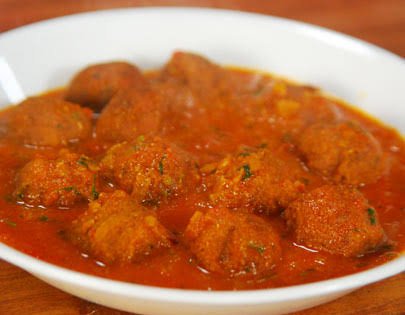
Step 5- Place a wok on medium flame. Add sufficient oil to the wok; Once oil heated well, deep fry koftas in batches till golden brown. Stir occasionally. Take out from the oil and place in a kitchen towel once koftas became golden brown.
Step 6- Place another pan o medium flame. Add clarified butter; once ghee starts melting, add cumin seeds. Saute for few seconds. Next, add tomato-onion paste, ginger-garlic paste, coriander powder, fennel powder, Kashmiri red chili powder, turmeric powder, salt. Mix all spices well and saute until the raw aroma goes away.
Step 7- Next, add cashew paste. Saute and cook until clarified butter separates from spices.
Step 8- Now, add 2cups of water and cover the wok with a lid. Cook for 6-7 minutes. Once the gravy will start boiling, add fried koftas. Mix gently.
3-4 minutes.
Step 10- Add garam masala, fresh cream, coriander leaves. Give a quick mix and turn off the flame.
Step 11- Transfer the kamal kakdi ke kofte to a serving bowl and garnish with crushed cashews.
Step 12- Now, Lotus stem kofte is ready to serve with rice or paratha.
.jpeg)
Interesting content.
ReplyDeleteLooking for custom food labels for your business? Reach Sai Impression.