
Hello friends,
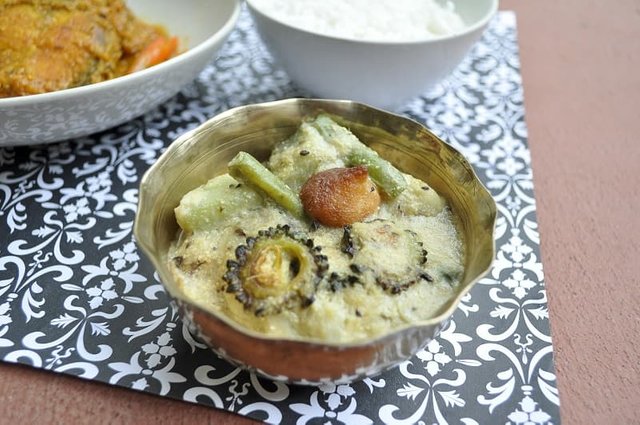
Today i am here to share with you a famous Bengal "DUDH SHUKTO" recipe. Before that would like to share the information behind the dish. There is a general belief that this supposedly Bengali delicacy originated from Portugal. It is said that Portuguese cuisine had a great influence along the shore of Bengal. The Portuguese tweaked a dish similar to their by using local ingredients like the bitter gourd. The story goes that the Portuguese used it to create a dish which worked as a mouth freshener combined with a couple of other vegetables. Well, the cultural impact of trade in evident in Indian's cuisine.
On the other hand "Pritha Sen" a food researcher, begs to differ. She is skeptical of the possibilities of a Portuguese connection in the dishes emergence. So, there is a controversy. The Portuguese arrived very late, in 16th century in India, but the medical value of eating bitter at the start of the meal was laid down by the great sages and physicians of Ayurveda in Ancient times.'Susruta','Charaka','Dhanwantari' were a few of them. Bengal was the most probably the last bastion of the Ayurvedic way of eating.
The Shukto was cooling in the hot, humid climates of Kalinga, Banga and Anga. The undivided Ancient Bengal. The dish shook up the digestive juices, exciting them before a meal as a prerequisite to the actual meal. The custom finds mention in the 'Mangalkavyas', a corpus of narrative poetry in the medieval age. It can be read in the food habits of "Chaitanya Mahaprabhu" of the Bhakti movement. In one "Mangalkavyas",Lord Shiva requests Goddess Annapurna, the deity of plenty to cook shukto for him. Well, this is long before the Portuguese landed in India. Hope you like the story behind the delicacy. so what are you waiting for lets start making Dudh Shukto.
INGREDIENTS:-
Vegetables:-
1. Potato- 1medium(diced).
2. Raw Papaya- 1(diced).
3. Raw Banana- 1(diced).
4. Plantain Stem- 1cup(julienned).
5. Sweet potatoes- 2medium(diced).
6. Bitter gourd- 1(sliced).
7. Eggplant- 1 cup(diced).
8. Pumpkin- 1cup(diced).
9. Drumsticks- 2(cut into 1-1/2 inch sizes).
10. Parwal- 2(diced).
11.Ridge Gourd- 1/2cup(diced).
SPICES:-
1.Bay leaf- 1(whole).
2. Five spice mix(Panch Phoron)- 1tsp.
3. Wild Celery seed- 1tsp.
4. Black mustard paste- 1tbsp.
5. Yellow mustard paste-1 tbsp.
6. Poppy seed paste- 2 tbsp.
7. Ginger paste- 1tbsp.
8. Dried red chilies-2(halves).
9. Salt- to taste.
10. Sugar- 1tbsp.
11. Mustard oil- 3tbsp.
12. ghee-1tbsp.
OTHER INGREDIENTS:-
1.Milk- 1/2 cup.
2. Dried lentil dumplings(Daler Bori)- 15nos.
PREPARATION METHOD:-
Step 1- First, place a frying pan on medium flame. Add 1tbsp of mustard oil, once oil heated well add dried lentil dumplings and fry till until golden brown. Take out fried dumplings into a bowl.
Step 2- Now add another(1tbsp) of mustard oil in the same pan. Once oil will became well heated, add sliced bitter gourd in the fry pan and fry then until crispy. take out into a bowl once get the proper texture.
Step 3- Next place a wok on the medium flame. Add remaining 1tbsp of mustard oil in the wok, once oil heated well. Add bay leaf, Dry red chilies, Panch Phoron(five spice mix),wild celery. Saute for few seconds.
step 4- Now add all the vegetables mentioned above. Stir well and cook for 2-3 minutes. After 2 minutes lower the flame, add salt, sugar and cook for 5-6 minutes.
Step 5- After 5-6 minutes add both the mustard paste, poppy seed pas te. Combine well all ingredients with the vegetables. Cover the wok with lid and cook until the vegetables became tender atleast 15-20 minutes.
Step 6- Once the vegetables became tender, add fried crispy bitter gourd, fried lentil dumplings.Mix well and cook for another a minute.
Step 7- After a minute add ginger paste. mix well and next add milk and ghee(clarified butter). combine well to mix well with the vegetables. turn off flame after 2 minutes.
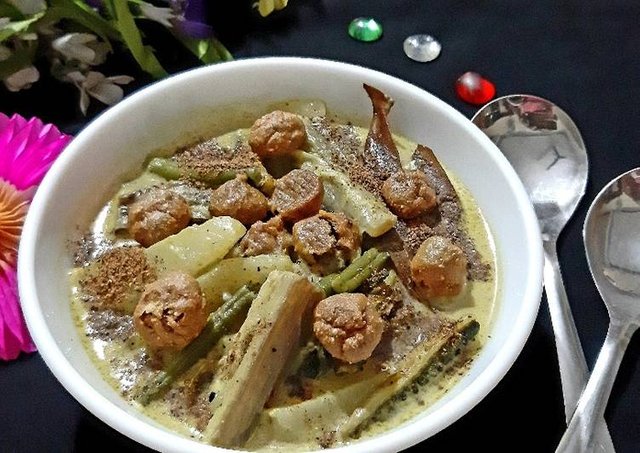
Step 8- Once Dudh Shukto will cool down serve with steamed Basmati Rice.
## THANK YOU FRIENDS FOR SHOWING YOUR LOVE, IT ENCOURAGE ME A LOT TO COME INFONT OF YOU EVERYDAY.
Comments
Post a Comment